A Mediterranean Morning Observation
Inside the Old Kitchen Ritual Built Around Baking Soda - Honey Gelatin
Long before morning routines had names, coastal households were mixing baking soda – honey gelatin as part of an ordinary start to the day. This guide walks through where that habit came from, what people still get wrong about it, and the questions worth asking before trying it yourself.
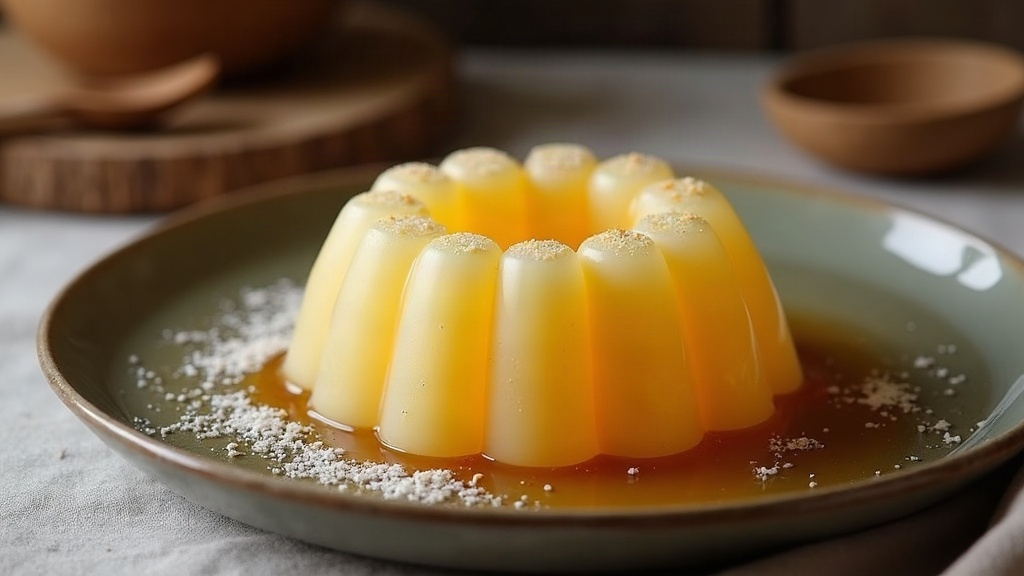
Why Mornings Feel Different After 50
Somewhere between the alarm clock and the first cup of coffee, a lot of men notice their morning doesn’t move the way it used to. It’s rarely one single thing — it’s a handful of small shifts happening at once. That overlap is part of why older rituals like baking soda – honey gelatin keep coming up in kitchen conversations passed between generations.
The Slower Start
Getting going in the morning can feel like it takes longer than it once did, even when the routine hasn't changed.
Restless Nights
Sleep that used to feel automatic sometimes turns into a lighter, more interrupted version of itself.
The Waistline Question
Habits that worked for decades don't always show up the same way on the bathroom scale anymore.
Energy That Dips by Noon
A steady morning can still end in an afternoon slump that coffee alone doesn't seem to touch.
A Simple Three-Part Ritual
The tradition behind baking soda – honey gelatin isn’t complicated — it’s built on three plain steps that have been repeated in kitchens for longer than most modern wellness trends have existed. Here’s how it’s typically described.
Start With the Base
A small measured amount of baking soda is combined with warm water, forming the starting point of the mixture before anything else is added.
Add the Gelatin Layer
Honey and gelatin are stirred in together, a combination described in older recipes as the binding part of the ritual.
Make It a Morning Habit
The finished mixture is taken in the early part of the day, folded into an existing routine rather than treated as a separate task.
Myths vs Facts: The Kitchen Ritual
Kitchen traditions tend to pick up extra stories the longer they stick around. Here’s a closer look at a few claims commonly attached to baking soda – honey gelatin, compared with what older sources actually describe.
Baking soda – honey gelatin is a modern wellness trend.
References to combining baking soda, honey, and gelatin appear in older Mediterranean household notes, long before modern wellness marketing existed.
Any man can start this without giving it a second thought.
Editorial sources consistently recommend checking with a healthcare professional first, particularly for men already managing existing conditions.
More of the mixture means a stronger ritual.
Traditional recipes describe small, measured portions — not large or repeated servings throughout the day.
Where the Ritual Comes From
Coastal Mediterranean households have long kept a category of simple morning mixtures passed from one generation to the next, often without formal recipes — just habits repeated until they became routine. Baking soda – honey gelatin sits inside that category: a plain, low-cost combination that didn’t require anything imported or unusual, only pantry staples that most homes already had on hand. Honey served as both sweetener and binder, gelatin provided texture, and baking soda rounded out a mixture that was more about consistency than complexity.
The insight worth sitting with isn’t the ingredient list — it’s the pattern. These rituals persisted not because they promised something dramatic, but because they were simple enough to repeat without much thought, morning after morning, for decades.
Signs Worth Paying Attention To
01 — Persistent Fatigue
Tiredness that doesn't ease up after a full night's rest is worth mentioning to a healthcare professional.
02 — Digestive Changes
Noticeable shifts in digestion that last more than a few days deserve attention rather than guesswork.
03 — Unexplained Weight Shifts
Weight changes without a clear cause are best discussed with a doctor, not addressed through a home routine alone.
04 — Sleep That Stays Disrupted
Ongoing trouble falling or staying asleep, beyond the occasional rough night, is a signal worth flagging.
05 — Sensitivity to New Foods
Any new digestive discomfort after introducing an unfamiliar ingredient should be taken seriously.
06 — Existing Medical Conditions
Men managing blood pressure, kidney, or digestive conditions should speak with a professional before adjusting any routine.
Reader Notes From the Field

Illustrative composite examples. Individual results vary. Not a guarantee.
Frequently Asked Questions
No. This is an educational, editorial overview of a traditional kitchen ritual and its history — it does not promote or name any specific commercial product.
This guide discusses tradition and general kitchen practices, not clinical studies. Always speak with a healthcare professional for medical guidance.
It’s written for readers curious about older lifestyle habits, particularly men over 50 interested in the history behind Mediterranean routines.
No. Any change to diet or routine, especially for men managing existing health conditions, should be discussed with a healthcare professional beforehand.
Older recipes describe gelatin as a binding and texture component, paired alongside honey rather than used on its own.
Historical kitchen notes suggest it was included largely for consistency and availability, since it was a common pantry staple in many households.
Traditional accounts note that regional honey varied in flavor and texture, though this guide does not make any claims about specific effects.
Continue Reading About This Tradition
There’s more to the story than a single article can cover — from regional variations of the ritual to the questions readers ask most about baking soda – honey gelatin. Keep exploring before drawing any conclusions of your own.
Advertising Disclosure: This page contains sponsored content and affiliate links. We may receive compensation if you click a link or make a purchase through links on this page. This does not affect the price you pay and helps support the operation of this site.
Content Disclaimer: This content is for educational and informational purposes only and has not been evaluated by the FDA. It is not intended to diagnose, treat, cure, or prevent any disease. Always consult a qualified healthcare professional before making any changes to your diet, lifestyle, or health routine.
Results Disclaimer: Individual results vary. Testimonials and examples shared on this page are illustrative and not a guarantee of any specific outcome.
© 2026 · All Rights Reserved · /contact/